


Can Wireless Probe‑Based Handheld Ultrasound Meet the Needs of Routine Community‑Based Preliminary S
- 2026-07-22
- 1780
- Guangzhou Sonostar Technologies Co., Limited
In routine community‑based preliminary screening, can a pocket‑sized wireless probe‑based handheld ultrasound truly replace traditional cart‑based systems? Emerging devices of this type—exemplified by the SonoStar brand—are quietly making their way into community health service centers and township hospitals, becoming a “new face” in the primary care health management toolkit. This article examines the actual value and inherent limitations of such handheld ultrasound devices in community screening from three dimensions: device performance, real‑world scenario adaptability, and the learning curve for operators. It aims to provide a practical decision‑making reference for primary care purchasers and technical staff.
1. Form‑Factor Innovations Expand Use Scenarios
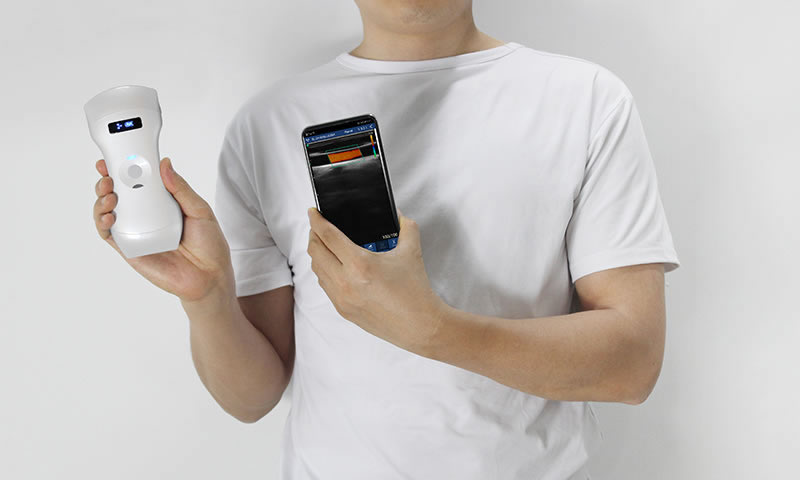
Traditional ultrasound systems consist of a separate main unit and a wired probe. They are bulky, require complex cabling, and must be deployed in fixed locations, with patients needing to visit the ultrasound department. In contrast, wireless probe‑based handheld ultrasound integrates the host’s computing power, battery, and Wi‑Fi module into a single probe that fits in one hand. Taking SonoStar’s wireless probe‑based handheld ultrasound as an example, its body is slightly larger than a smartphone and weighs little enough to be easily slipped into a pocket or carried along. This change in form factor transforms ultrasound examinations from “waiting for patients in the department” to “bringing the device to the patient’s side,” offering clear advantages in community home visits, health‑booth checkups, and similar outreach scenarios.
2. Alignment with Core Community Screening Needs
Routine community screening primarily targets chronic disease management, elderly health checkups, and women’s “two‑cancer” (breast and cervical) screenings. The examination items are relatively standardized, and the required image detail is less demanding than that for clinical diagnosis. Wireless probe‑based handheld ultrasound devices are equipped with intelligent noise reduction and beam‑forming algorithms, providing good image resolution and tissue contrast. They adequately meet the requirements for routine screening of the abdomen, thyroid, breast, and other areas—particularly excelling in high‑frequency tasks such as fatty liver screening, preliminary thyroid nodule detection, and post‑void residual bladder volume measurement.
3. Analysis of Operator Accessibility for Primary Care Staff
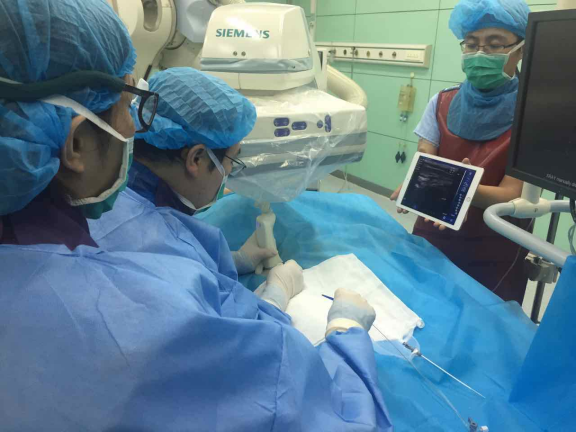
Community physicians generally lack specialized ultrasound training, which is a major barrier to adoption. For instance, SonoStar’s wireless probe‑based handheld ultrasound employs low‑latency Wi‑Fi direct connectivity, eliminating cable constraints and allowing physicians to move flexibly around the patient—simplifying operation to some extent. However, image interpretation and diagnostic judgment still require professional expertise. In practice, a “local acquisition + remote interpretation” model is commonly adopted: community physicians are responsible for performing standardized scans and uploading the images, while ultrasound specialists at higher‑level hospitals remotely interpret the images and issue reports. This approach leverages the device’s portability while addressing the shortage of diagnostic expertise at the primary care level.
4. Key Considerations for Device Selection
When procuring wireless probe‑based handheld ultrasound devices for primary care, focus on three key indicators: whether the probe’s frequency range covers common screening sites, whether battery life supports continuous use for half a day, and whether remote transmission is stable. In terms of cost, these devices offer professional‑grade diagnostic capability at an accessible price point, significantly lowering procurement expenses and making them suitable for batch deployment in community health service stations.

5. Current Limitations
It is important to objectively recognize that wireless probe‑based handheld ultrasound still lags behind larger systems in penetration depth and image refinement. It does not possess all the advanced measurement and analysis functions of full‑sized equipment, and it is not suitable for detailed examinations of complex cases—such as cardiac valve assessment or fetal anomaly screening, which still rely on high‑end devices. In community applications, its role is that of a “rapid screening and triage tool” rather than a “definitive diagnostic instrument.” When abnormalities are detected, patients should be referred to higher‑level hospitals for further evaluation.
6. FAQ
Q: What is the difference between a wireless probe‑based handheld ultrasound and a portable color Doppler ultrasound?
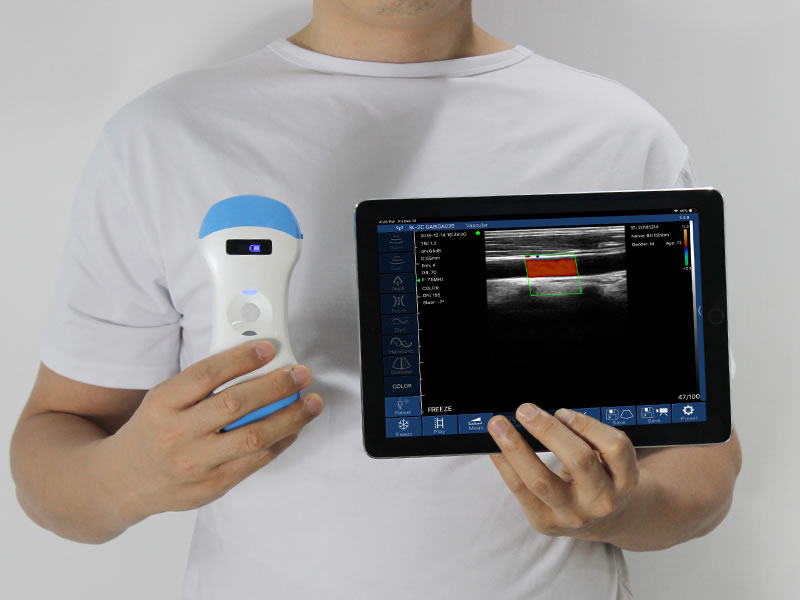
A: The former has no separate main unit—only the probe form—and relies on a smartphone or tablet for display. It is lighter and more portable but offers relatively fewer functions. The latter has an independent console with stronger image‑processing capabilities, making it more suitable for complex examinations.
Q: What if community physicians are not trained to interpret ultrasound images?
A: Adopt a remote‑assisted interpretation model: community physicians are only responsible for performing standardized scans and capturing images; diagnosis is completed by remote specialists. Primary care staff can acquire basic operational skills after short‑term training.
Q: What community screening programs are suitable for this type of device?
A: It is suitable for relatively straightforward tasks such as fatty liver screening, preliminary thyroid nodule detection, ascites assessment, post‑void residual bladder measurement, and lower‑extremity deep vein thrombosis screening. It is not appropriate for examinations requiring precise measurements.
7. Conclusion & Call to Action
Can wireless probe‑based handheld ultrasound meet the needs of routine community‑based preliminary screening? The answer depends on how it is positioned. As a tool for initial triage and screening, it offers tangible value in expanding primary care screening coverage and reducing patients’ healthcare costs. When selecting such devices, primary care institutions should comprehensively evaluate their local screening needs, staffing, and remote consultation capabilities. For detailed specifications or community screening implementation plans, please contact SonoStar for technical materials.




 Home
Home Product
 News
News Contact