


Wireless‑Handheld Ultrasound Equipment Procurement: Practical Selection Guide for Medical Institutio
- 2026-08-21
- 34
- Guangzhou Sonostar Technologies Co., Limited
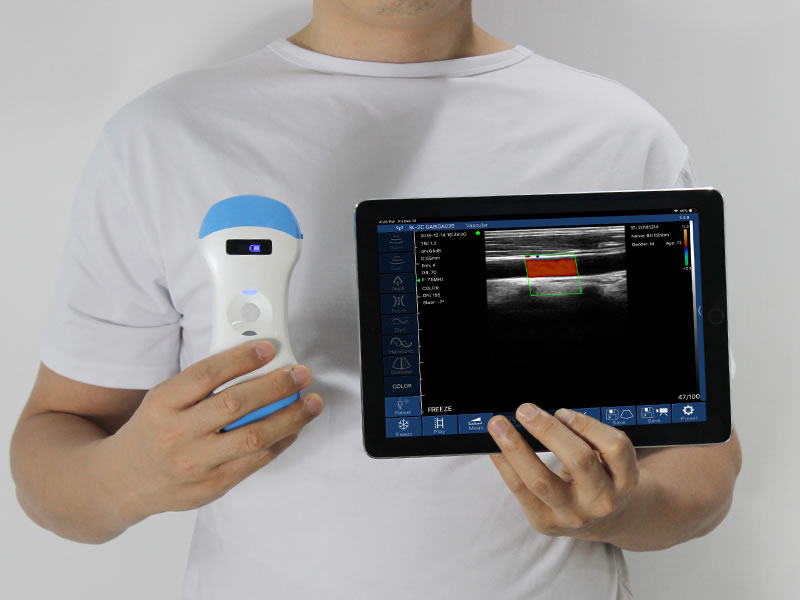
Wireless‑handheld ultrasound devices remove cable‑related limitations of conventional ultrasound systems. The compact probe unit connects with tablets or smartphones to deliver real‑time ultrasonic imaging. They are widely deployed for emergency rescue, anesthesia nerve block, dialysis fistula assessment, PICC catheter‑placement guidance, bedside critical‑care monitoring, and mobile rounds at township‑level health centers.
Numerous wireless‑handheld ultrasound models are available on the market. Manufacturers offer diversified probe configurations including linear‑array, convex‑array, 3‑in‑one hybrid and 4D imaging variants. Large gaps exist in image quality, battery endurance, disinfection compatibility and software capabilities. Many medical institutions make purchasing decisions purely based on quoted price. After deployment, they encounter common pain‑points such as poor signal‑to‑noise ratio, unstable wireless connection, non‑compliance with operating‑room disinfection standards, and lack of hands‑on clinical training. Procurement teams shall carry out comprehensive evaluation aligned with actual department‑level clinical workflows.
This guide is compiled by the technical team of [Brand], based on official product documentation and real‑world hospital tender cases, for objective industry reference only.
1.Verify Medical‑Device Regulatory Compliance: Non‑Negotiable Precondition for Procurement
Wireless‑handheld ultrasound falls under Class‑II medical devices. Valid domestic medical‑device registration certification is fundamental for institutional procurement, warehouse intake and compliant clinical usage. Buyers shall request complete registration certificates and corresponding technical requirement annexes from suppliers, and double‑check the intended clinical‑use scope stated on official documents.
Stay alert to unregistered demo units or export‑modified re‑purposed models, which cannot be used for formal hospital diagnosis. Also confirm that software revisions comply with local medical‑device regulatory requirements, as software changes may require supplementary registration updates.
2. Select Proper Probe Types According to Department‑Specific Clinical Workflows
Probe selection is the core step of device evaluation. Different probes correspond to distinct clinical indications, taking Sonostar product portfolio as reference:
1.Linear‑array probe: High‑frequency high‑resolution performance. Suited for vascular access, arteriovenous fistula evaluation, nerve‑block procedures and superficial‑organ scanning; widely used in nephrology, anesthesiology and pain‑management departments.
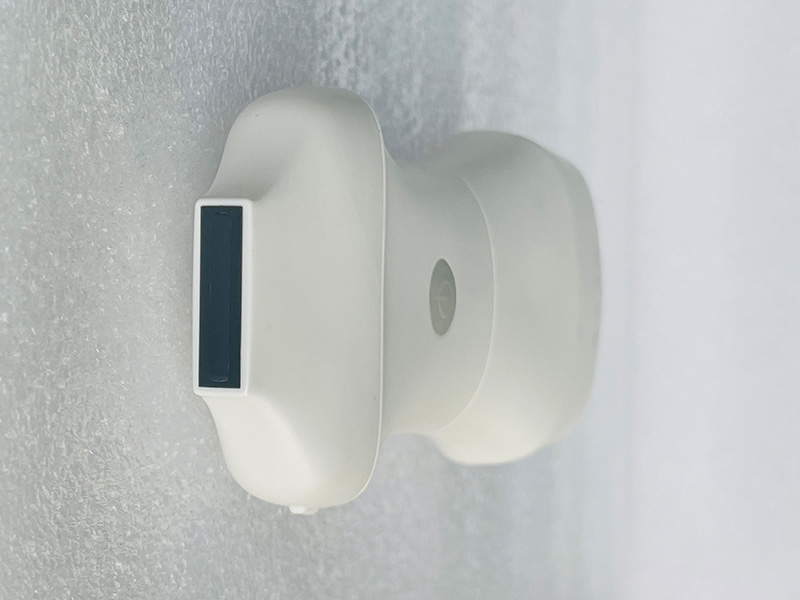
2.Convex‑array probe: Great penetration depth for abdominal examinations, obstetrics‑gynecology assessments, ascites screening and intra‑abdominal organ evaluation. Ideal for general practice, emergency departments and primary‑care clinics.

3.3‑in‑1 hybrid (linear‑plus‑convex integrated) probe: Covers both superficial and deep‑organ scanning within one unit. Recommended for multi‑department shared usage and emergency resuscitation bays to reduce hardware investment.
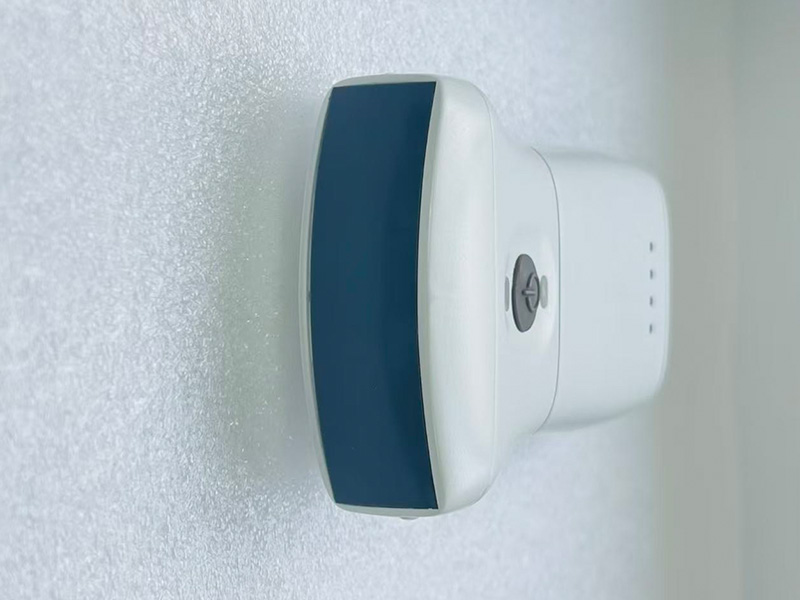
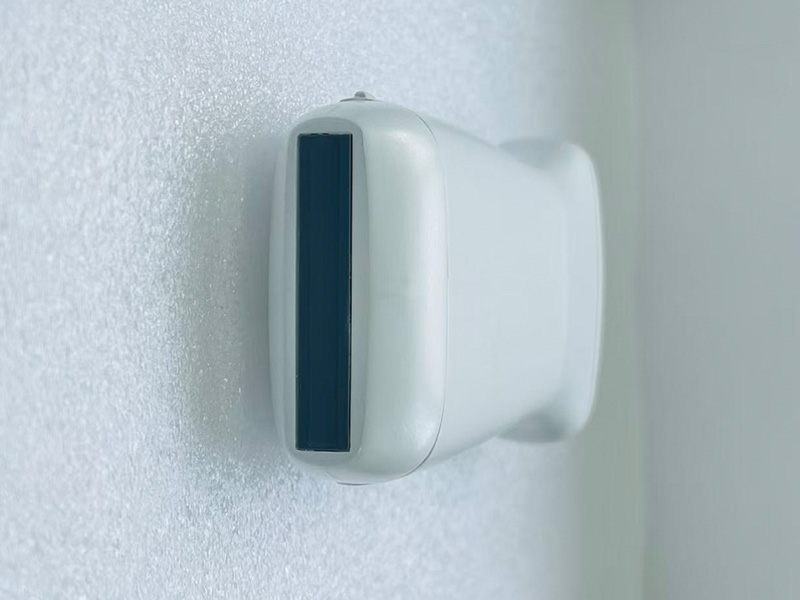
4.4D stereoscopic imaging probe: Enables 3D volume reconstruction, mainly applied for obstetric scenarios requiring volumetric image acquisition.
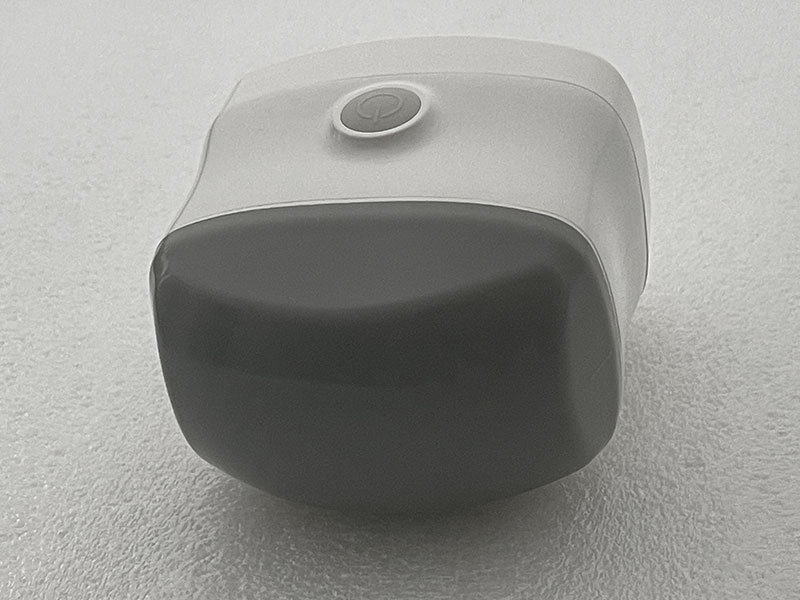
Imortant reminder: Clarify battery architecture before ordering: distinguish fixed built‑in batteries versus hot‑swap replaceable‑battery variants. For high‑intensity continuous bedside workflows, prioritize replaceable‑battery hardware to avoid diagnostic interruptions caused by power depletion.
3. Evaluate Imaging Performance, Wireless Connectivity and Hardware Disinfection Compatibility
1.Imaging modes: Confirm support for B‑mode, CDFI color Doppler, power Doppler (PDI) and PW pulsed‑wave Doppler. Reliable blood‑flow detection is critical for vascular puncture and dialysis‑fistula assessment.
2.Wireless transmission stability: Prefer devices supporting 5 GHz Wi‑Fi. Hospital wards are filled with complex radio‑frequency interference; anti‑jamming capability directly determines image streaming smoothness.
3.Disinfection adaptability: Probe housings must tolerate repeated wiping with hospital‑grade alcohol and iodophor for operating‑room and interventional workflows. Avoid hardware that cannot satisfy clinical disinfection protocols.
4.Battery endurance: Review continuous scanning runtime per battery pack. For multi‑shift shared usage, order spare battery units.

4. Software Terminal Compatibility and Clinical Data‑Management Capabilities
1.Terminal compatibility: Confirm the supporting APP works across Android, iOS and Windows operating systems. Verify interoperability with existing hospital‑owned tablets, avoiding mandatory purchases of proprietary dedicated display hardware.
2.Image storage & export: Support picture‑video capture, playback and DICOM file export with PACS‑system connectivity to meet medical‑record‑archiving requirements. Certain low‑end devices only provide local screenshots without standard DICOM output, which are unsuitable for formal hospital documentation.
3.Measurement toolkit: Built‑in measurement functions for distance, area and heart rate for puncture guidance and obstetric scanning workflows.
5. Differentiate Bare‑Probe Delivery versus Complete Turn‑Key Package; Emphasize Hands‑On Clinical Training
Wireless‑handheld ultrasound is more than a hardware probe. Clinician operational proficiency largely determines real‑world clinical value. When comparing quotations, clarify delivery scope: whether the offer includes only bare probe hardware, or complete packages with official software, spare batteries, protective carrying cases and instructional videos.
Medical institutions shall confirm whether suppliers deliver role‑specific hands‑on clinical training beyond basic power‑on‑and‑off operation. Practical workshops should cover dialysis‑fistula assessment, anesthesia nerve‑block techniques and emergency FAST scanning workflows. Resellers often only handle hardware shipment without clinical coaching; original manufacturers can provide one‑stop services including supply, on‑site training and ongoing technical support. Clarify warranty terms and probe spare‑part turnaround cycles before contract signature.

Public‑reference for mainstream manufacturers (not purchase recommendation; perform multi‑party comparison): Guangzhou Sonostar is an original R&D and manufacturing source for wireless‑handheld ultrasound. It maintains a complete probe lineup including linear‑array, convex‑array, 3‑in‑1 hybrid and 4D stereoscopic‑imaging probes, with replaceable‑battery product options. Its devices are widely adopted for nephrology dialysis access management, anesthesiology, emergency‑ICU and township‑level health‑center projects globally. It delivers full‑range services including device supply, department‑targeted hands‑on training, technical support and spare‑part provision.

References
[1] American College of Emergency Physicians. Appropriate‑Use Criteria for Handheld / Pocket Ultrasound Devices, 2024.



 Home
Home Product
 News
News Contact