


What Are the Application Scenarios of Sonostar Convex and Linear 4D Stereoscopic Handheld Ultrasound
- 2026-08-25
- 73
- Guangzhou Sonostar Technologies Co., Limited
4D stereoscopic handheld ultrasound extends point-of-care imaging from flat 2D sections to real-time volumetric visualization. On the market, 4D palm ultrasound systems are mainly divided into two categories: convex array and linear array. Many procurement teams and clinical departments confuse their application boundaries, resulting in mismatched configuration and low equipment utilization.
This article compares the two probe types in terms of technical parameters, anatomical targets, clinical scenarios and department adaptation, based on official product documentation from Sonostarmed and published clinical guidelines, to provide objective reference for medical institution selection.
Convex Array 4D Stereoscopic Handheld Ultrasound: Features & Indications
Convex 4D probe adopts curved transducer array with built-in mechanical sweep scanning architecture, which completes native volumetric data acquisition through mechanical swing of the transducer inside the probe housing. Its core advantage lies in wide field of view and sufficient penetration depth.
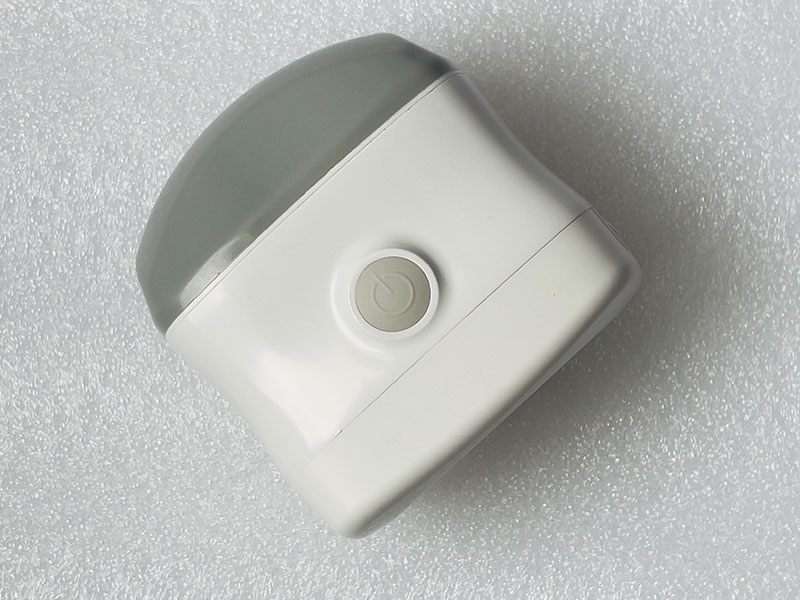
Core technical features
Operating frequency is mostly 3.5–5.0 MHz, which balances imaging depth and resolution, and can clearly present medium-deep abdominal and pelvic structures.
Built-in mechanical volume scanning module realizes real-time 4D dynamic stereoscopic imaging, which is different from pseudo-4D effect spliced by multiple 2D screenshots.
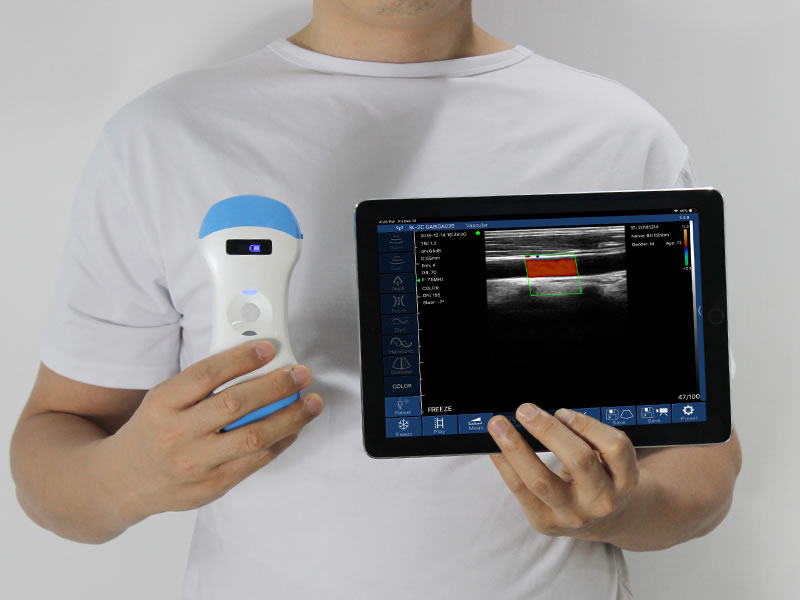
Wireless WiFi transmission design, compatible with Android, iOS and Windows terminals; supports image and video storage, cloud sharing and DICOM format export.
Small and portable, low overall cost, only slightly higher than ordinary 2D palm ultrasound, suitable for batch deployment.
Main clinical application scenarios
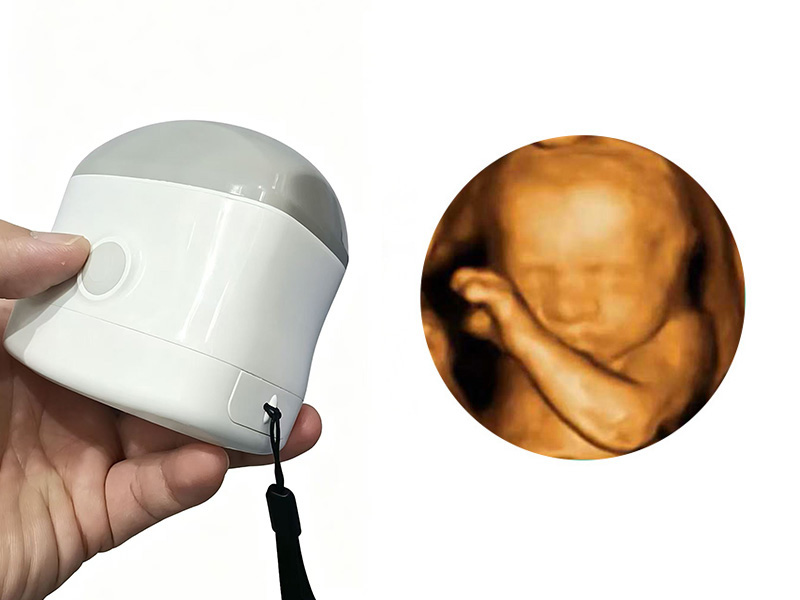
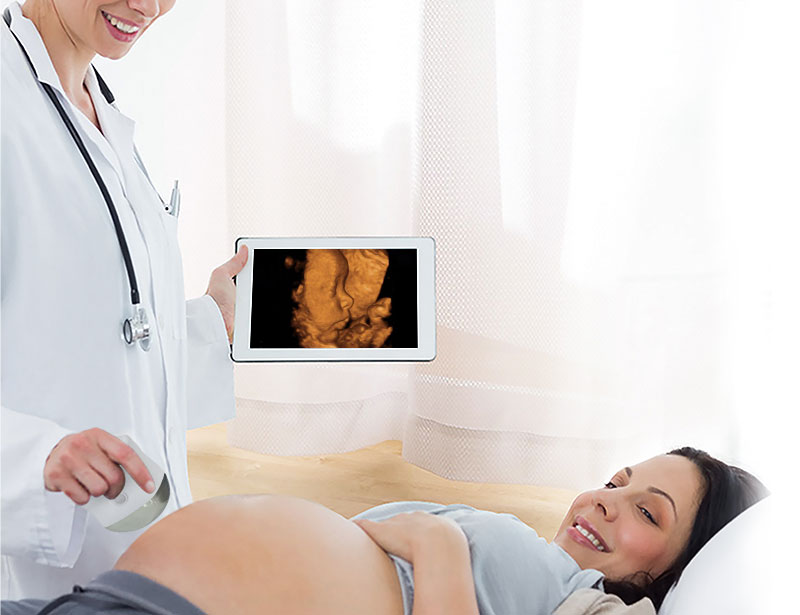
Obstetric auxiliary examination: Fetal morphological observation and fetal movement recording during prenatal follow-up, which can intuitively present fetal stereoscopic images and improve doctor-patient communication efficiency.
Abdominal and pelvic organ screening: Preliminary volumetric assessment of liver, gallbladder, kidney, uterus and appendages in primary care and general outpatient clinics.
Grassroots mobile maternal and child health: Community health centers, township health centers carry out going-to-the-countryside screening and maternal home visits.
Extended scenarios: According to product introduction, convex 4D handheld ultrasound is also suitable for maternal and infant stores, photo studios and other scenarios to provide fetal imaging experience services.
Suitable departments
Obstetrics and gynecology, general practice, primary health care centers, community health service centers, maternal and child health institutions.
2. Linear Array 4D Stereoscopic Handheld Ultrasound: Features & Indications
Linear 4D probe adopts high-frequency linear transducer array, which focuses on superficial tissue high-resolution volumetric imaging. It performs standardized volume scanning on superficial structures through mechanical swing or rotary scanning, reducing the dependence on operator's scanning technique and improving the repeatability of examination results.
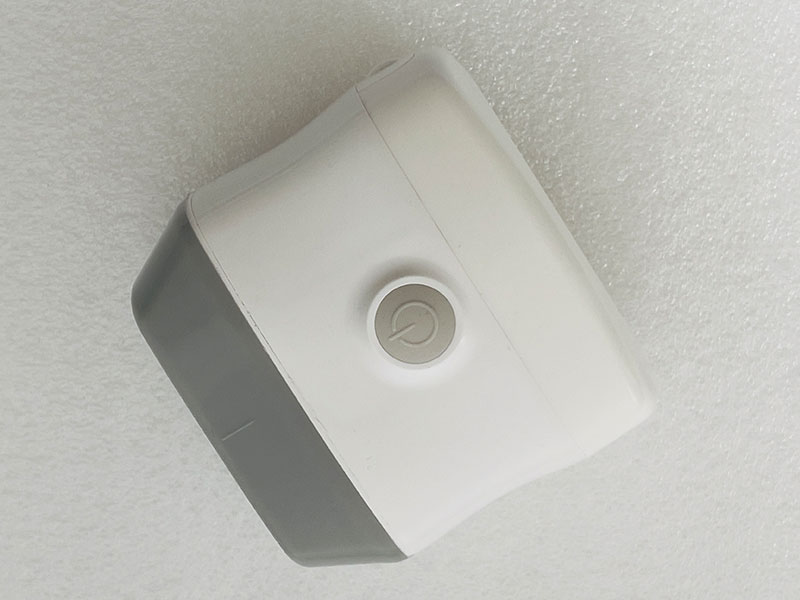
Core technical features
Operating frequency is mostly 7.5–20 MHz, with high lateral resolution, and can clearly present millimeter-level subtle structures of superficial soft tissue.
Standardized volumetric data acquisition is convenient for follow-up comparison and curative effect evaluation, reducing individual differences of operators.
It also supports wireless connection, DICOM export and PACS docking, and can be connected to the hospital image management system.
Main clinical application scenarios
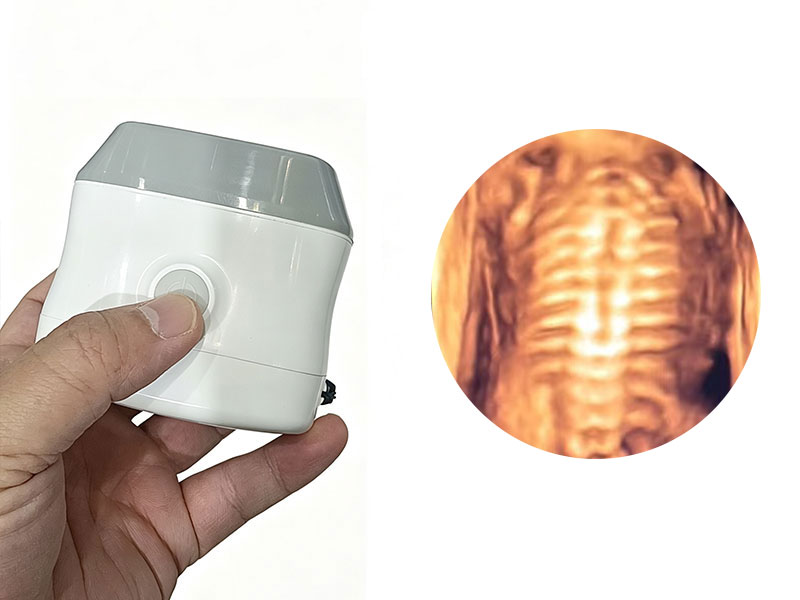
Superficial organ assessment: Volumetric scanning and follow-up of thyroid, breast, superficial lymph nodes and peripheral blood vessels.
Musculoskeletal and rehabilitation medicine: Quantitative evaluation of muscles, tendons, ligaments and joint cavities, and dynamic observation during rehabilitation treatment.
Anesthesia and pain intervention: Auxiliary localization of nerve blocks and vascular puncture, and volumetric confirmation of needle track and drug diffusion range.
Aesthetic medicine: Evaluation of facial soft tissue layers, implant position and injection filling effect.
Suitable departments
3. Head-to-Head Comparison: Core Differences
Dimension | Convex 4D Probe | Linear 4D Probe |
Main frequency band | 3.5–5.0 MHz | 7.5–20 MHz |
Penetration depth | Medium-deep, suitable for abdominal and pelvic organs | Shallow, suitable for superficial soft tissue |
Imaging characteristics | Wide field of view, strong penetration | High resolution, fine superficial details |
Core anatomical targets | Fetus, abdominal organs, pelvic organs | Thyroid, breast, nerve, blood vessel, muscle tendon |
Main applicable departments | Obstetrics and gynecology, general practice, primary care | Anesthesia, pain, 甲乳,rehabilitation, aesthetic medicine |
Cost positioning | Cost-effective for batch deployment | Slightly higher, suitable for specialized department configuration |
4. Department-by-Department Selection Guide
Obstetrics and gynecology, maternal and child health institutions: Prefer convex array 4D probe to meet the needs of fetal stereoscopic observation and prenatal follow-up communication.
Grassroots general practice, community health centers: Priority is given to convex 4D probe, which takes into account abdominal screening and obstetric follow-up, and has wider coverage of basic diseases.
Anesthesiology, pain department, rehabilitation department: Select linear 4D probe to meet the needs of superficial nerve, blood vessel and musculoskeletal volumetric imaging.
Thyroid and breast specialist, aesthetic medicine clinic: Linear 4D probe is the first choice for standardized volume assessment and follow-up comparison.
Multi-department shared configuration of hospitals: It is recommended to deploy both convex and linear 4D probes at the same time, which can cover deep and superficial scenarios and improve equipment utilization.
5. Procurement Screening Reminders
Distinguish genuine 4D from pseudo 4D: Prioritize products with built-in mechanical sweep volume scanning architecture. Products that only rely on software to splice 2D images have limited clinical value. On-site prototype verification is recommended.
Verify regulatory compliance: Confirm that the corresponding probe model is within the coverage of Class II medical device registration certificate; for export projects, check CE, FDA and other target market certifications.
Confirm software interworking capability: Support DICOM format export and PACS system docking to meet the requirements of medical record archiving.
Pay attention to supporting services: Confirm whether the manufacturer provides special training on 4D volume scanning operation, probe spare parts supply cycle and algorithm iteration upgrade service.
Public reference of mainstream manufacturers (not a purchase recommendation, please conduct multi-party comparative evaluation):
Guangzhou Sonostar has a complete product line of convex and linear 4D stereoscopic wireless handheld ultrasound. The convex 4D probe is small in size, low in cost and clear in imaging, and is suitable for obstetric screening and primary medical deployment; the linear 4D probe is oriented to superficial tissue volumetric assessment. The products have obtained domestic NMPA registration and overseas CE and FDA certifications, and can provide a full set of services including demand assessment, clinical practical training, software iteration and probe spare parts supply.




 Home
Home Product
 News
News Contact