


How to Choose a Handheld 4D Ultrasound with True Stereoscopic Imaging? – A Complete Buying Guide
- 2026-07-28
- 1516
- Guangzhou Sonostar Technologies Co., Limited
With over a decade of hands‑on experience in the handheld ultrasound industry, SonoStar has helped countless primary care hospitals, OB/GYN clinics, and mobile health screening providers make informed purchasing decisions. This guide addresses the most common pain points: confusion between convex and linear probe applications, difficulty distinguishing genuine 4D from simulated stitching, wireless transmission lag, and high long‑term maintenance costs. Read on for practical tips and pitfalls to avoid when selecting a handheld 4D ultrasound system.
1. Verify True 4D Performance – Mechanical Scanning vs. 2D Stitching
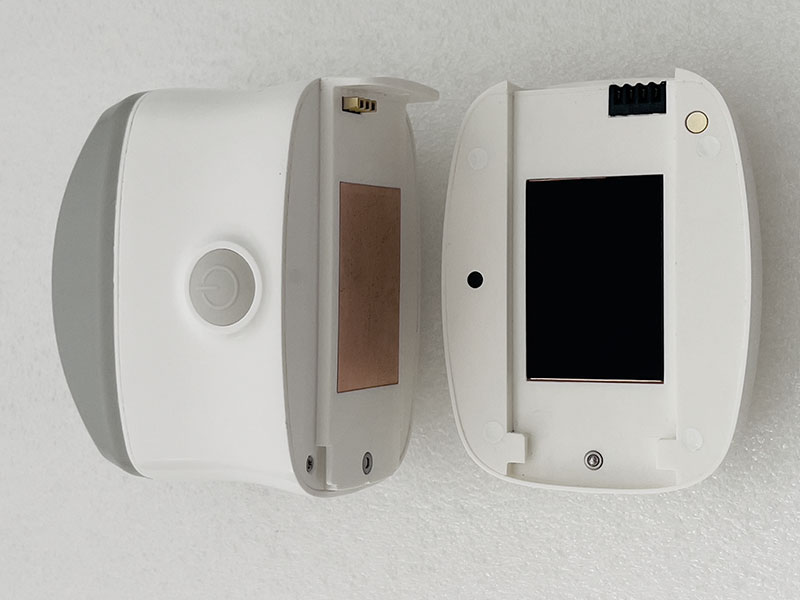
The first and most critical step is to confirm that the device uses a mechanical oscillating scan to capture native four‑dimensional volume data. Many budget‑priced products merely stitch together 2D slices, offering no real clinical value. A high‑quality system performs real‑time dynamic reconstruction with low artifacts and high frame rates, clearly rendering the fetal face, spine, and other structures in complete stereoscopic detail.
Pro tip: Always ask for a live demonstration with a real patient or a standard phantom. Native 4D delivers smooth, lifelike volume rendering, while simulated 4D appears jerky and lacks spatial integrity – a difference you can easily see.
2. Choose the Right Probe for Your Clinical Scenario
Handheld 4D probes come in two main configurations, each tailored to specific applications:
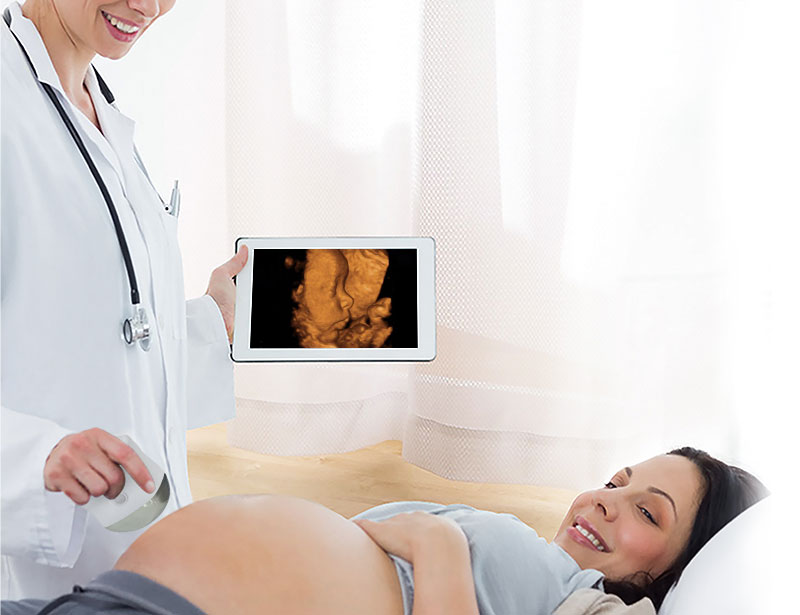
Convex 4D probe – Designed for obstetric and abdominal screening. It offers sufficient penetration depth to capture the entire fetal body in stereoscopic view, making it the top choice for maternal‑child hospitals, prenatal health centers, and women’s health clinics. Ideal for fetal 3D photography and dynamic video recording.
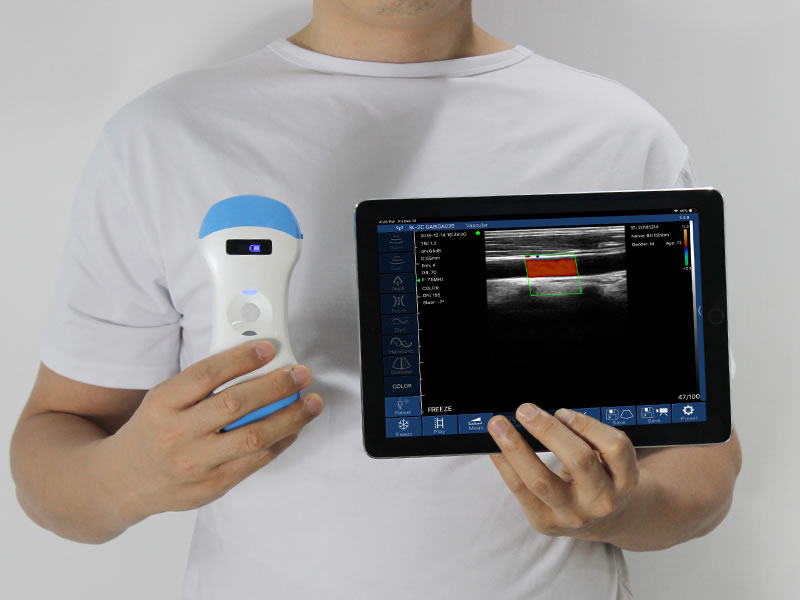
Linear 4D probe – Specialises in superficial examinations. With higher near‑field resolution, it is perfect for thyroid, breast, musculoskeletal (MSK), and aesthetic filler screening. Standardised 4D scanning lowers the operator learning curve, making it a favourite in primary care general practice, rehabilitation departments, and aesthetic medicine clinics.
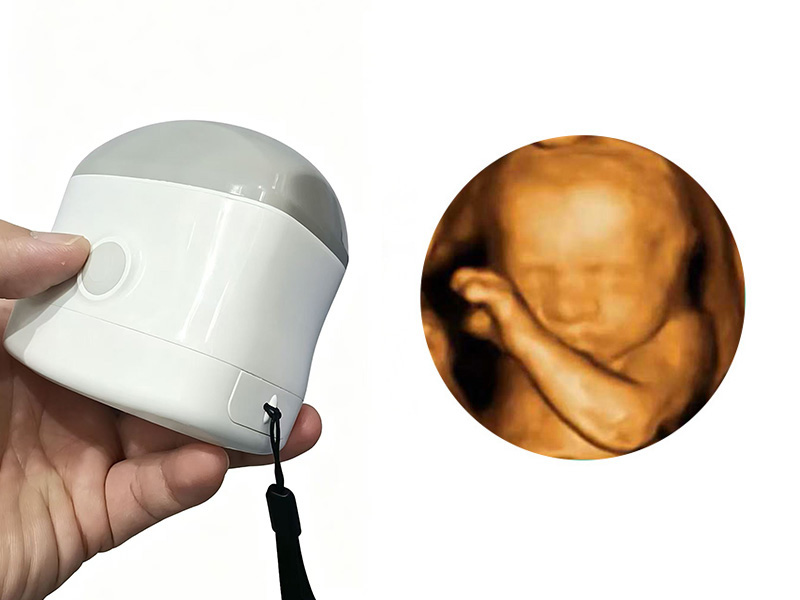
Both probe types are compact, lightweight, and come with a lanyard for easy pocket storage in your white coat. They support disinfection with medical‑grade solutions – perfect for high‑frequency bedside use.
3. Wireless Connectivity, Device Compatibility, and Archiving Capabilities
Reliable wireless performance is essential in busy clinical environments. Take SonoStar’s handheld 4D ultrasound as an example – it uses an independent built‑in Wi‑Fi module that does not rely on the hospital’s local network. Within 3 metres, the signal remains stable and lag‑free, even in wards with multiple interfering devices. The accompanying software runs seamlessly on smartphones and tablets, allowing instant 4D image viewing.
For seamless hospital workflow integration, the device supports DICOM standard export, enabling direct connection to PACS systems for patient record archiving. A built‑in cloud storage function facilitates image retention, remote consultations, and patient sharing (e.g., expectant mothers can access their baby’s images). With a battery life of 3–5 hours, it fully supports full‑day mobile rounds and rural outreach screening.
4. Evaluate After‑Sales Support and Long‑Term Operating Costs
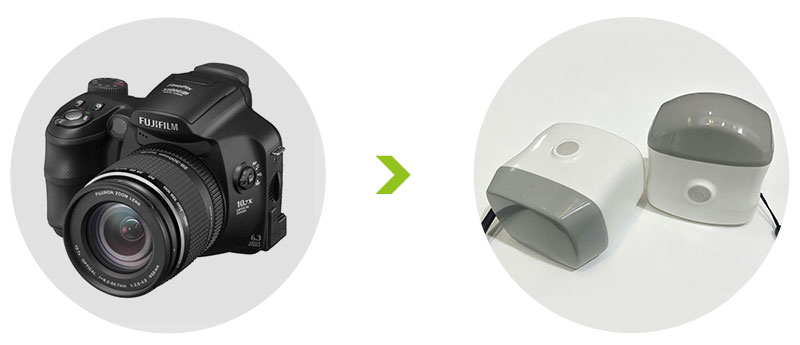
Handheld ultrasound probes are consumable items that may require repair or replacement over time. Before purchasing, always verify the warranty period, probe repair policies, and replacement costs. Compared to imported alternatives, domestic 4D handheld models typically offer lower purchase prices and more affordable spare parts – a cost‑effective choice for primary care facilities and private clinics with limited budgets. Also, check the manufacturer’s response time for technical support and whether on‑site or depot repair is available.
FAQ – Answers to Common Questions
Q1: How do I choose between a convex and a linear 4D handheld ultrasound?
A: For obstetric fetal examinations, choose the convex probe for adequate depth and clear stereoscopic imaging. For superficial screening of thyroid, MSK, and aesthetic applications, choose the linear probe for higher near‑field resolution. You may purchase one or both depending on your department’s service mix.
Q2: Can a handheld 4D ultrasound replace a cart‑based 4D colour Doppler system?
A: Not completely. Handheld devices excel at rapid bedside screening, mobile health checks, and real‑time outpatient imaging. For in‑depth diagnosis of complex fetal anomalies, high‑end cart‑based systems are still required. They complement each other in a tiered diagnostic workflow.
Q3: Does the wireless 4D handheld ultrasound frequently disconnect or lag?
A: Reputable brands incorporate dedicated built‑in Wi‑Fi modules. For instance, SonoStar models remain stable even in environments with multiple device interferences, with no noticeable lag or stutter. If your department performs long‑term static examinations in a fixed location, a wired version may also be available.
Final Takeaways
Selecting the right handheld 4D ultrasound with true stereoscopic imaging comes down to four key steps:
Distinguish native 4D from simulated 2D stitching – always verify mechanical scanning and real‑time reconstruction.
Choose the correct probe type – convex for obstetric/abdominal, linear for superficial/MSK/aesthetic.
Confirm wireless stability and archiving compatibility – look for independent Wi‑Fi, DICOM/PACS integration, and cloud storage.
Evaluate total cost of ownership – including warranty, repair policies, and spare parts affordability.
Before making a final decision, we strongly recommend testing a demo unit on‑site with your own clinical cases to assess 4D image quality and overall usability. This ensures the device perfectly aligns with your practice needs and delivers lasting value.




 Home
Home Product
 News
News Contact