


Differences Between Ophthalmic A/B Ultrasound All-in-One Machines and Single-Function Models: A Sele
- 2026-07-29
- 1112
- Guangzhou Sonostar Technologies Co., Limited
With years of dedicated experience in medical ultrasound R&D, Sonostar draws on long-term clinical application of integrated ophthalmic A/B scanners and hands-on procurement practices from medical facilities. Focusing on ophthalmic ultrasound equipment selection, this article objectively breaks down the core differences among standalone A-scan units, standalone B-scan units, and integrated A/B ultrasound systems. It addresses common concerns for procurement teams — including functional fit, space and budget constraints, and patient throughput — to help facilities match the right model to their service scale.
1.Functional Coverage: Tailored to Different Clinical Scenarios
Single-function standalone models have a narrow functional scope, supporting only one type of diagnostic examination:
A standalone A-scan device only performs ocular biometry, collecting data such as axial length and lens thickness.
A standalone B-scan device only generates two-dimensional cross-sectional images of the eyeball, used to evaluate the condition of the vitreous body and retinal tissues.
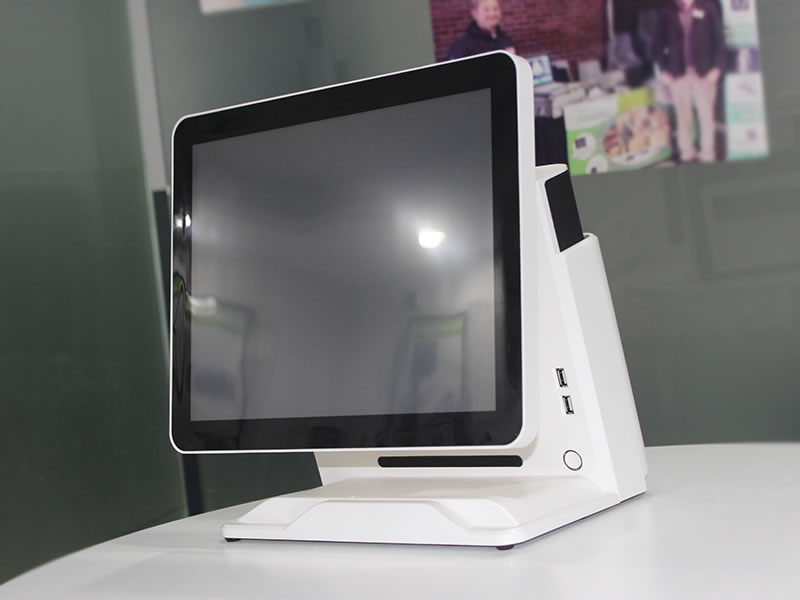
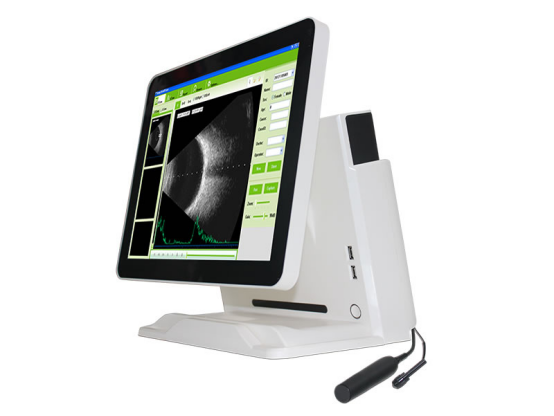
Integrated all-in-one models combine both A-scan and B-scan modalities, supporting four imaging modes: A-scan, B-scan, B+A, and B+B. A single device fulfills both ocular biometric measurement and intraocular imaging needs. Built with enhanced observation modes for the vitreous and retina, the system can also be optionally fitted with a 20MHz high-frequency probe for precise superficial scanning.
2. Procurement & Long-Term Operation and Maintenance Costs
Purchasing two separate single-function units drives up overall expenses, including equipment acquisition, probe maintenance, and annual calibration, and requires stocking two separate sets of accessories and consumables.
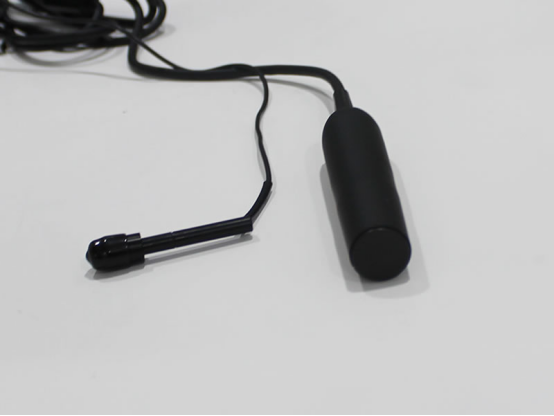
The all-in-one model covers both examination capabilities with a single purchase. Weighing only 2.5kg with a compact footprint, it requires only one set of probes and a single maintenance plan. Its built-in battery supports 4 hours of continuous operation, making it highly portable for mobile outpatient services and community health screenings, with lower long-term operation and maintenance investment overall.
3. Space Occupancy & Operational Efficiency
Two standalone units require separate operating stations and dual display terminals, taking up considerable clinical space and creating placement challenges for small clinics and community health centers.
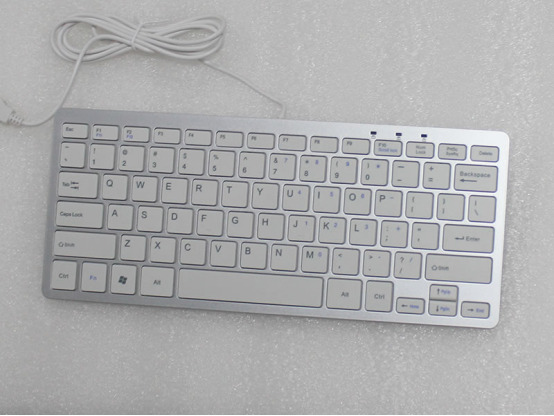
The SAB-500 all-in-one model features a 15-inch color LCD display and runs on a Windows operating system. It supports custom report templates and multi-keyword record retrieval. Patients can complete both biometric measurement and image acquisition in a single visit, eliminating the need to switch between devices or wait in multiple queues, which streamlines the outpatient examination workflow.
FAQ: Common Questions About Ophthalmic Ultrasound Selection
Q1: For facilities only offering cataract-related testing, is a standalone A-scan sufficient, or should we choose an all-in-one machine?
A: The decision should be based on your full scope of daily examinations. Beyond biometric calculations, cataract workups typically require evaluation of fundus tissue status as well. An all-in-one model allows both assessments to be completed in a single, streamlined session.
Q2: Is a standalone B-scan suitable for small optometry centers that only perform basic fundus imaging?
A: A standalone B-scan is a practical choice if your services are limited to basic fundus image observation. If your center plans to expand into refraction services or cataract-related examinations, an all-in-one model supports a wider range of clinical scenarios.
Q3: Is the all-in-one model more complex to operate than single-function units?
A: No. The device supports one-click mode switching, with an operation logic consistent with single-function models. Paired with standardized operation guidelines, it has a low learning curve for clinical staff.
Single-function models are best suited for facilities with narrow, low-volume specialized examination needs, as they offer limited functional scope. Integrated A/B ultrasound systems combine biometric measurement and imaging capabilities, save clinical space, and reduce long-term operating costs, making them suitable for most ophthalmology clinics and primary health centers. When making a purchase, it is recommended to evaluate model configurations comprehensively based on your facility’s service volume and business scope.




 Home
Home Product
 News
News Contact