


Practicality of Handheld Ultrasound Scanners in Emergency Screening
- 2026-08-07
- 1001
- Guangzhou Sonostar Technologies Co., Limited
In prehospital transport, emergency treatment, and trauma rescue scenarios, rapid and accurate point-of-care screening is essential to save critically ill patients’ lives. Traditional desktop ultrasound devices are bulky, wired, and immobile, making them unsuitable for on-site emergency diagnosis and ambulance mobile operations. Patient transfer to imaging departments often delays treatment and misses the golden rescue window. Featuring lightweight design, wireless portability, and plug-and-scan operation, handheld ultrasound scanners effectively compensate for the limitations of traditional imaging equipment. As reliable mobile diagnostic tools for modern emergency systems, they significantly improve the screening accuracy and treatment efficiency for acute and critical illnesses .
With mature R&D technologies and rich clinical implementation experience, wireless handheld ultrasound devices have been widely deployed in emergency departments, prehospital 120 rescue services, ICUs, and primary medical institutions. Their scenario-oriented functions, stable imaging performance, and cost-effectiveness fully validate their high practical value in emergency screening.
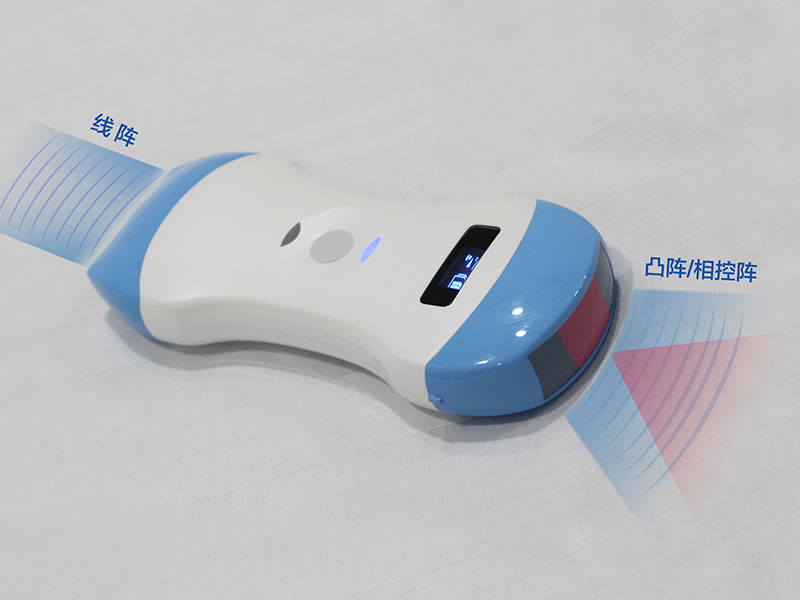
1. Core Scenario Advantages: Full-Cycle Emergency Adaptation and Reduced Diagnostic Time
Time efficiency is the top priority of emergency medicine. Handheld ultrasound breaks the site restrictions of conventional equipment and enables on-demand point-of-care ultrasound (POCUS) screening. Pocket-sized and installation-free, the device allows medical staff to start scanning immediately on-site without patient transfer or appointment waiting, eliminating the risks of deteriorated conditions and delayed treatment caused by secondary patient transportation .
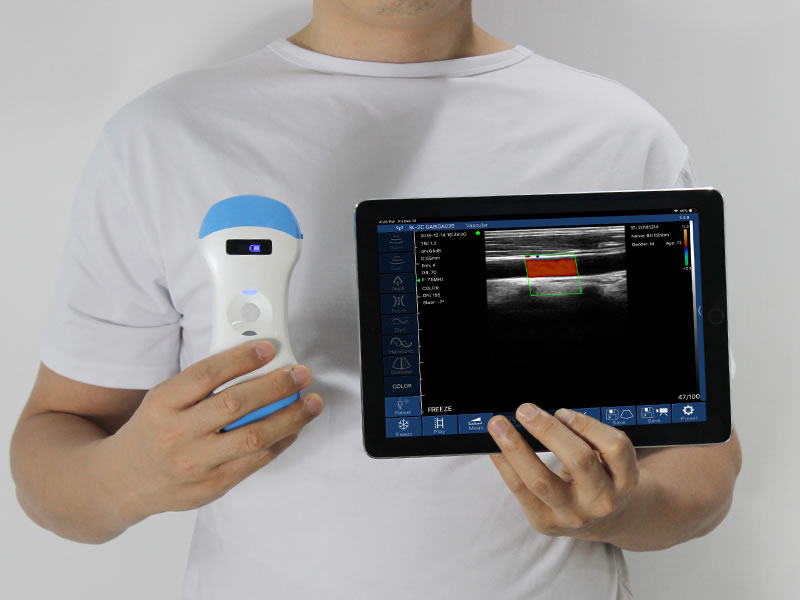
It supports rapid and accurate screening for various critical illnesses. For trauma patients, it instantly identifies life-threatening conditions such as intra-abdominal hemorrhage, pneumothorax, and visceral rupture. For cardiovascular emergency cases, it evaluates cardiac function at the bedside to assist in diagnosing myocardial infarction and heart failure. Additionally, it completes multi-site scanning of blood vessels, heart, lungs, and abdomen in real time, providing intuitive imaging evidence for emergency triage, immediate intervention, and surgical decision-making, and optimizing the overall prehospital and in-hospital emergency workflow.
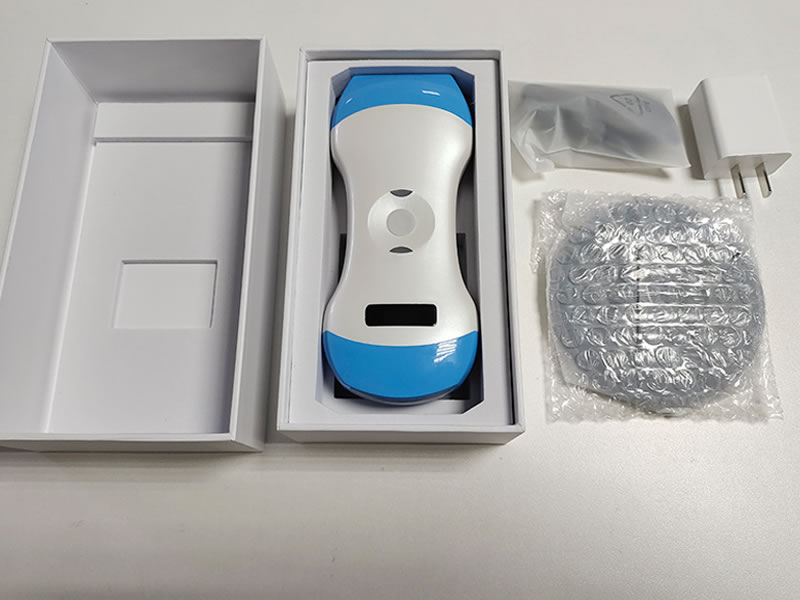
2. Professional Imaging Performance: Clinical-Grade Quality with Low Operation Threshold
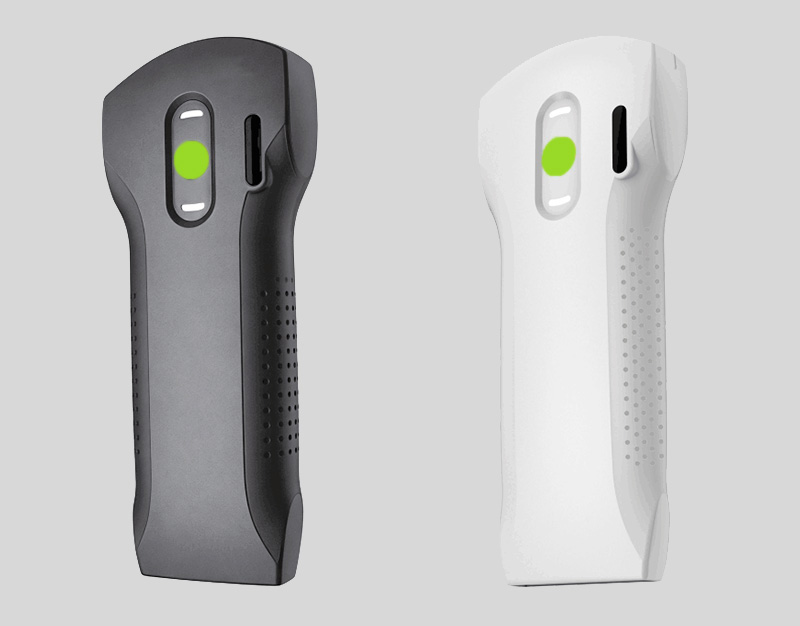
Emergency screening requires strict standards for imaging clarity, frame rate, and diagnostic accuracy. Ordinary portable ultrasound devices often suffer from blurry images, frame stuttering, and missing details, failing to meet clinical diagnostic requirements. High-performance handheld ultrasound scanners adopt core technologies of premium desktop ultrasound systems, equipped with advanced functions such as needle visualization enhancement and magnetic navigation assistance. With superior miniaturization integration, low power consumption, high-definition imaging, and high-frame-rate scanning, their image quality fully meets international clinical standards for emergency screening and preliminary diagnosis .
Tailored for high-intensity emergency workflows, the device integrates intelligent parameter presets. Medical staff can obtain optimized professional parameters automatically by selecting examination parts (vessels, heart, abdomen, etc.), eliminating manual debugging. This greatly lowers operational barriers, enabling non-ultrasound professional emergency clinicians to conduct standardized scanning efficiently in urgent scenarios .

3. High Adaptability and Cost-Effectiveness: Scalable Deployment with Global Hospital Infection Control Compliance
Traditional high-end desktop ultrasound machines are costly and fixed-location, limited to dedicated imaging departments and unable to cover full emergency scenarios. In contrast, handheld ultrasound scanners cost only one-tenth of conventional devices, delivering outstanding cost performance. They can be widely deployed in hospital emergency departments, primary care centers, and 120 rescue fleets, solving the industry gap of insufficient prehospital imaging equipment and realizing full coverage of emergency ultrasound resources.
For hospital infection control, the probe adopts an IP67 waterproof and dustproof structure, supporting direct disinfection with medical disinfectants and compatible with disposable sterile probe covers. It effectively avoids cross-infection, complies with global medical infection control standards, and supports frequent and repeated emergency use with reliable safety and durability

4. Clinical Implementation Value: Modernizing Mobile Emergency Screening Systems
Numerous clinical studies have verified that handheld ultrasound’s portability, wireless flexibility, high-definition imaging, user-friendly operation, and cost controllability perfectly match the core demands of emergency care: rapid response, instant diagnosis, and flexible deployment .
Currently, the device has been applied in diverse scenarios including prehospital emergency rescue, bedside emergency screening, ICU monitoring, intraoperative assistance, and primary care diagnosis, filling the gap of mobile emergency imaging tools. It effectively shortens diagnostic time, reduces rescue risks, and improves patient survival rates, continuously promoting the upgrading and innovation of global mobile emergency medical systems .
References
[1] Frontiers in Medicine. Point-of-care-ultrasound in cardiac arrest: a useful tool for resuscitation. 2026.
[2] PMC. Evolving role of point-of-care ultrasound in prehospital emergency care: a narrative review. 2024.
[3] PMC. The Incremental Role of Multiorgan Point-of-Care Ultrasounds in the Emergency Setting. 2023.
[4] Chinese Journal of Emergency Medicine. Clinical value of handheld ultrasound in emergency consultation of ICU physicians. 2016.
[5] Frontiers in Public Health. Point-of-care ultrasound during trauma and critical care transport: a practical review. 2026.
[6] PubMed. Ultrasound to guide critical clinical decisions in emergency care. 2024.




 Home
Home Product
 News
News Contact