


Sonostar Handheld Ultrasound System: Four Key Clinical Application Scenarios & Equipment Selecti
- 2026-08-10
- 897
- Guangzhou Sonostar Technologies Co., Limited
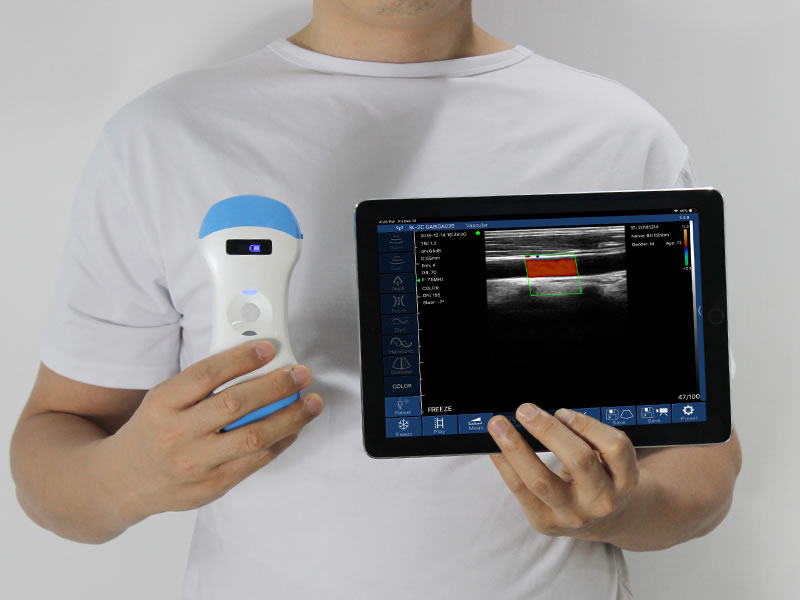
Traditional cart‑based ultrasound systems feature bulky form factors and limited mobility, creating operational barriers for ICU bed‑side assessments, pre‑hospital emergency response, primary‑care field visits, and interventional puncture procedures. Featuring lightweight hardware, handheld ultrasound systems connect to smartphones or tablets for point‑of‑care scanning, effectively addressing critical limitations of conventional ultrasound equipment. Many medical institutions fail to maximise device utility due to mismatched hardware‑to‑clinical‑scenario configurations.
This article is compiled by the technical team of Sonostar, a manufacturer with long‑term expertise in handheld ultrasound devices. Drawing on real‑world front‑line clinical deployment experience, it addresses frequently‑encountered practical issues around medical device configuration, probe selection, and clinical operation, delivering actionable references for standardised device deployment and configuration.
1. Vascular Intervention: Visual Guidance for Dialysis Access and Puncture Procedures
Vascular intervention represents a high‑frequency clinical use case. The 8L and 9L series linear‑array probes are the preferred options; the 9N, 9H and 9S are ultra‑high‑frequency variants operating within 2‑20 MHz, optimised for superficial tissue imaging. Typical applications include arteriovenous fistula evaluation for dialysis patients, PICC catheter placement, and anaesthetic nerve block, helping reduce haematoma risks associated with blind puncture. Multiple hospital nephrology departments have deployed these probes for endovascular fistuloplasty clinical workflows.

Hot‑swap battery variants support multi‑bed ward rotation. Ultra‑high‑frequency probes deliver detailed imaging for tendon and superficial skin examinations. Linear‑array probes are not suitable for deep intra‑abdominal organ scanning.
2. Emergency & ICU Bed‑side Care: Rapid Trauma Assessment
Critical‑care patients in ICU and emergency departments carry high risks during patient transport. Handheld ultrasound enables bedside FAST trauma surveys and pericardial effusion screening without patient relocation. For this clinical setting, the 8C and 9C convex‑array probes are recommended. High‑end configurations deliver up to 64 physical channels to support adequate deep‑tissue imaging for abdominal and pelvic structures.


When volumetric 3D‑4D assessment is required, convex‑array 4D probes with mechanically‑driven volume acquisition can be selected. For pre‑hospital 120 emergency missions, hot‑swap‑battery models are preferred to remove reliance on fixed‑site power supplies.
3. Primary‑Care & General Practice: Multi‑purpose Workflows for Cost‑efficiency
Primary‑care clinics and community health centres often operate under constrained budgets and staffing resources. The 8CPL / 9CPL multi‑array combination probe integrates convex‑array and linear‑array elements within a single transducer, supporting basic vascular and abdominal screening. Physical buttons on the probe housing support custom colour‑coding.
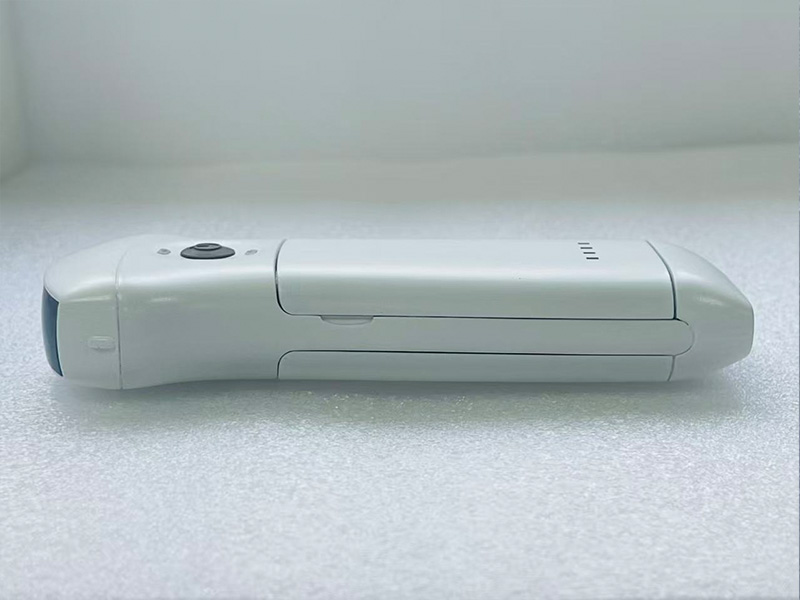

Combination multi‑array probes offer versatile general‑purpose performance, yet individual‑modality imaging performance falls short of dedicated single‑purpose probes. Facilities focusing heavily on puncture procedures or obstetric examinations should opt for dedicated probes. This hardware configuration fits rural‑clinic field physical examinations and home‑doctor outreach visits.
4. Specialised Endocavity Examinations: Urology and Anorectal Scanning
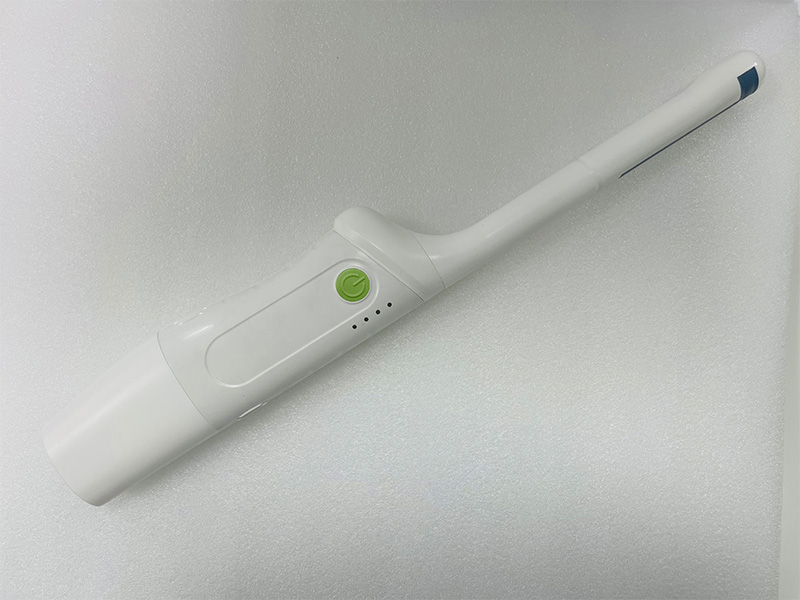
Urology and anorectal departments may deploy the 9CR rectal T‑shaped dual‑plane wireless probe, purpose‑built for endocavity imaging. The wireless design delivers flexible manoeuvrability; the probe surface tolerates disinfectant wiping to satisfy hospital‑acquired‑infection control requirements. This specialised probe is not required for general‑practice outpatient settings. Linear‑array 4D probes support volumetric scanning for thyroid‑breast and musculoskeletal superficial tissues.
FAQ
Q: Can 4D volumetric probes replace standard convex‑array probes for emergency screening?
A: Basic diagnostic scanning is feasible. Nevertheless, 4D probes are optimised for volumetric data acquisition. Standard convex‑array probes deliver better cost‑effectiveness for routine emergency screening workflows.
Q: Are multi‑array combination probes suitable for tertiary‑hospital specialised departments?
A: Not recommended. Specialised departments should prioritise dedicated probes. Multi‑array combination probes are best suited for primary‑care institutions facing frequent cross‑department device rotation.
Q: Hot‑swap‑battery versus fixed‑internal‑battery: which configuration should I choose?
A: Hot‑swap‑battery units are ideal for out‑of‑clinic missions and frequent ward‑to‑ward rotation. Fixed‑internal‑battery versions suffice for stationary in‑clinic outpatient use.
Summary
Maximised clinical value from handheld ultrasound systems relies on matching probe specifications to real‑world clinical workflows. Linear‑array probes serve vascular‑intervention workflows; convex‑array probes fit emergency bedside trauma assessment. Multi‑array combination probes are well‑suited for general‑practice primary‑care environments. Specialised rectal endocavity probes are deployed selectively for urology‑anorectal services, and 4D volumetric functionality is added according to clinical requirements. Facilities should evaluate local clinical workloads during equipment selection to unlock the advantages of rapid point‑of‑care examinations. Feel free to leave comments for further configuration‑related discussion.
References
[1] American College of Emergency Physicians. Clinical Practice Guidelines: Point‑of‑Care Ultrasound. ACEP, 2021.
[2] World Federation for Ultrasound in Medicine and Biology. WFUMB Guidelines for Point‑of‑Care / Hand‑held Ultrasound Devices. WFUMB, 2022.




 Home
Home Product
 News
News Contact