


Application of Portable Color Doppler Ultrasound in Pediatric Emergency Screening
- 2026-08-14
- 971
- Guangzhou Sonostar Technologies Co., Limited
This guide is compiled by the technical team of [Brand], which has long been engaged in high-end medical device clinical promotion and application research. Drawing on mature practical experience in overseas tertiary children’s hospitals, international pediatric emergency rescue projects and neonatal critical care scenarios, it summarizes the application advantages and standardized clinical values of portable Doppler ultrasound in pediatric emergency screening, providing reliable equipment application and department upgrading reference for medical decision-makers.

1.Early Warning Screening for Pediatric Critical Hemodynamic Abnormalities
Pediatric critical illnesses such as severe infection, dehydration, trauma and sepsis often induce atypical early hemodynamic disorders, which cannot be fully identified by conventional vital sign monitoring alone. Portable color Doppler ultrasound enables non-invasive bedside screening of children’s peripheral blood flow velocity, vascular resistance index and microcirculation perfusion status, helping clinicians capture early deterioration signals of shock and organ hypoperfusion[10]. Different from adult diagnostic logic, pediatric emergency screening focuses on dynamic real-time changes of microcirculation, which significantly improves the accuracy of early triage and risk stratification for critically ill children, and avoids delayed intervention caused by insufficient early symptoms.
2. Non-Invasive Intracranial and Craniofacial Vascular Screening
For children with craniocerebral trauma, neurological infection and postoperative recovery stages, continuous dynamic monitoring of intracranial hemodynamics is required to judge intracranial pressure changes and tissue blood supply status. Portable transcranial color Doppler scanning evaluates intracranial vascular pulsatility index (PI) and resistive index (RI), forming a quantitative basis for early warning of intracranial hypertension and cerebral hypoperfusion[3]. Relevant clinical studies have verified that bedside Doppler screening has a high consistency with MRI detection results in judging pediatric intracranial microcirculation lesions, and avoids radiation damage and patient transportation risks caused by repeated imaging examinations.

3. Accurate Vascular Localization for Emergency Pediatric Venipuncture
4. Peripheral Circulation Screening for Acute Infectious Diseases
Acute severe pneumonia, viral infection and pediatric sepsis are easily complicated with peripheral microcirculation disturbance, which is a key early indicator of disease progression and organ failure. Portable Doppler ultrasound quantitatively evaluates limb capillary perfusion and vascular blood supply changes, assists pediatric emergency teams in accurately judging infection severity, and provides objective data support for dynamic adjustment of fluid resuscitation and drug treatment plans. Compared with single vital sign monitoring, blood flow perfusion data can reflect children’s real physical circulation state, making emergency diagnosis and treatment more standardized and precise.

5. Trauma Vascular Injury and Tissue Perfusion Evaluation
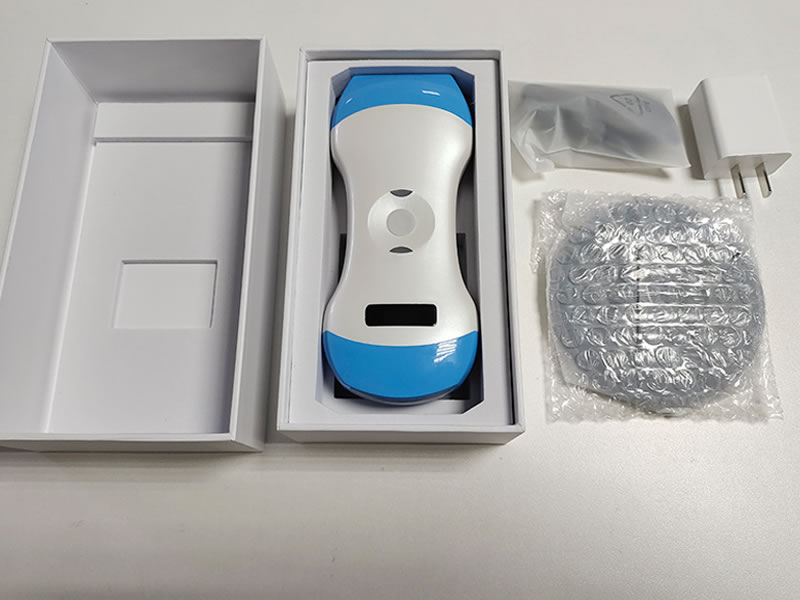
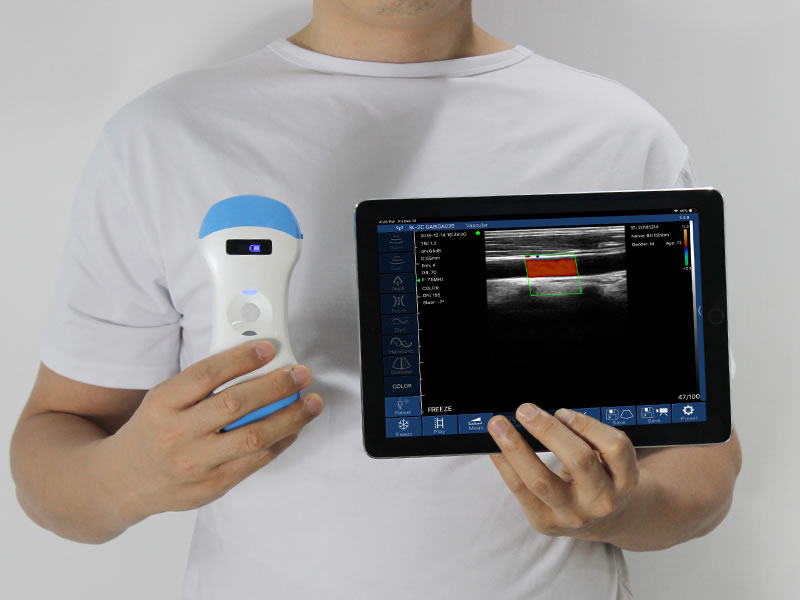
Pediatric accidental limb trauma and soft tissue contusion may be accompanied by hidden deep vascular injury and local ischemic lesions, which cannot be identified by traditional visual observation and palpation. Compact wireless‑probe handheld Doppler devices support quick deployment at emergency bedsides without relying on fixed examination rooms. Portable bedside Doppler screening can quickly detect vascular blockage, blood flow interruption and insufficient tissue perfusion, help clinicians judge tissue activity, and guide debridement suture, trauma treatment and later rehabilitation formulation. Its zero‑radiation, non‑invasive and rapid screening features fully conform to the minimally invasive diagnosis principle of pediatric emergency medicine, reducing unnecessary auxiliary examinations and children’s pain.

FAQ
Q1: What are the core advantages of portable Doppler ultrasound in pediatric emergency screening?
A1: It supports zero-radiation bedside rapid detection, requires no child transportation, adapts to pediatric physiological characteristics, and realizes dynamic repeated monitoring, which is more safe and efficient than traditional fixed ultrasound and imaging examination.
Q2: What mainstream pediatric emergency conditions can Doppler screening assist in diagnosing?
A2: It can assist in early warning of pediatric shock, intracranial hemodynamic abnormalities, peripheral microcirculation disorders, hidden vascular trauma, and guide emergency vascular puncture, covering multiple core screening scenarios of pediatric critical emergency treatment.
Q3: Is repeated Doppler ultrasound screening safe for infants and neonates?
A3: Completely safe. It adopts pure ultrasonic non-invasive imaging, complies with international ALARA medical radiation protection principles, and supports long-term repeated bedside monitoring for infants and neonates without radiation risk[4].




 Home
Home Product
 News
News Contact