


Pocket Handheld Ultrasound vs Conventional Cart-Based Ultrasound: Key Differences & Clinical Sel
- 2026-07-31
- 1130
- Guangzhou Sonostar Technologies Co., Limited
Sonostar, a professional original manufacturer with over ten years of R&D and production experience in handheld ultrasound devices, summarizes the core distinctions and applicable clinical scenarios of the two equipment types based on long-term technical research and clinical matching experience. This guide helps medical institutions make objective, scientific purchasing decisions.

1.Physical Structure: Bulky Separate Unit vs Compact Integrated Pocket Design
Conventional cart-based ultrasound adopts a split design consisting of a main console and separate probes. It features large overall dimensions and poor mobility, and is mostly fixed inside dedicated examination rooms for on-site scanning only.
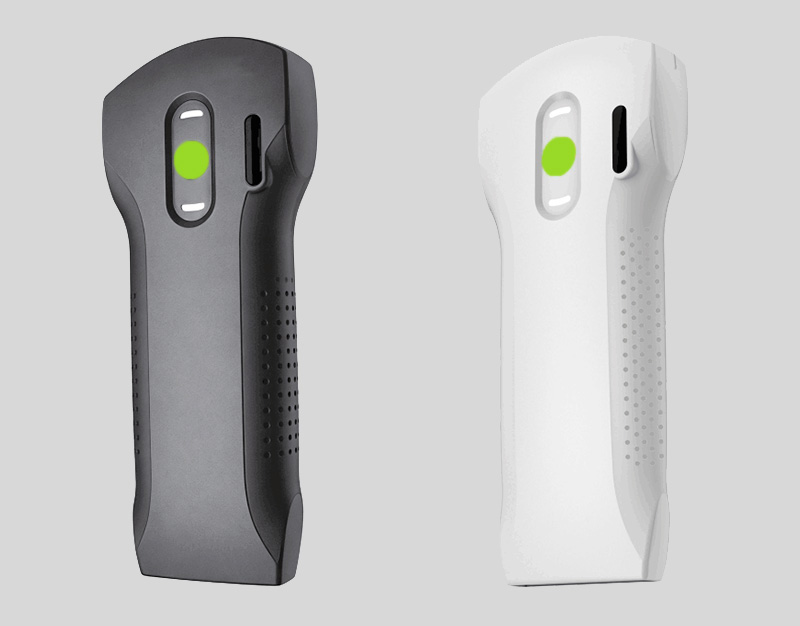
By contrast, pocket ultrasound scanners integrate all core components into the probe body. Weighing merely around 300 grams, the device fits easily into a medical coat pocket, enabling instant bedside scanning and on-demand access anywhere in the hospital.

2.Operation Mode: Restrictive Wired Connection vs Flexible Wireless Transmission
Traditional ultrasound relies on wired probe cables that limit the operator’s range of movement. In ICUs, emergency departments and interventional auxiliary procedures, tangled cables complicate disinfection and raise risks of cross-contamination.
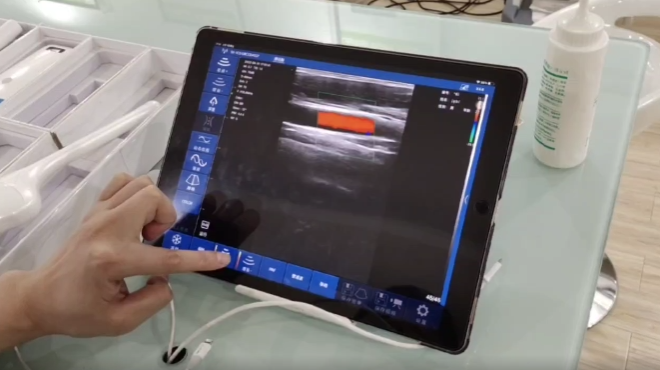
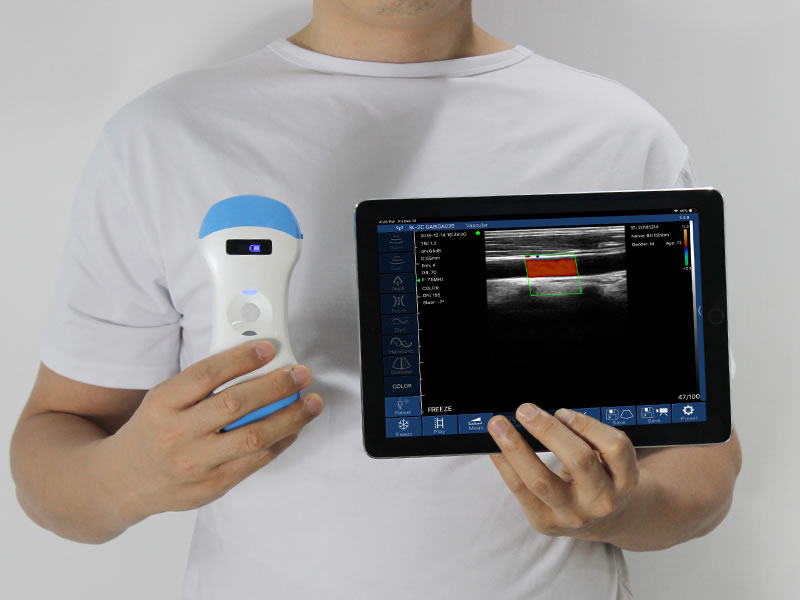
Pocket ultrasound utilizes low-latency direct Wi-Fi connection to transmit real-time imaging wirelessly. Clinicians can adjust scanning angles freely. Disposable sterile probe covers can be matched for simple sanitization, making it ideal for complex bedside treatment scenarios.

3. Application Scenarios: Fixed Examination Room vs Full-Scenario Mobile Use
Restricted by space and power supply, conventional cart ultrasound is only suitable for routine stationary examinations within hospitals.
Equipped with a built-in rechargeable battery for offline standalone operation, pocket ultrasound supports a wide range of mobile medical tasks: rapid emergency preliminary screening, home visits for primary care, outdoor free clinics, and emergency medical support. It greatly improves the flexibility of ultrasound examinations.
Imaging & Clinical Positioning: Complementary, Clear Division of Labor
Built with intelligent noise reduction and digital beamforming algorithms, pocket ultrasound delivers sufficient image clarity for basic screening of liver, gallbladder, spleen, kidney, thyroid and breast tissues, as well as vascular puncture guidance and effusion localization.
It should be noted that high-precision diagnostic work such as complex cardiac lesion evaluation and micro-lesion identification still requires large conventional cart-based color Doppler ultrasound systems.
5. Cost Advantages: Affordable Solution for Grassroots Medical Facilities
Traditional tabletop and imported color ultrasound equipment carries high upfront procurement costs, creating a heavy financial burden for grassroots medical facilities seeking multi-unit deployment.
Pocket ultrasound boasts outstanding cost performance and significantly lowers equipment deployment barriers. It is suitable for mass configuration in community clinics and township health centers, effectively filling the gap of mobile ultrasound screening at the primary care level.
FAQ: Frequently Asked Clinical Questions
Q1: Can pocket ultrasound fully replace conventional cart-based ultrasound?
A: No. It serves as an auxiliary device for bedside preliminary screening and mobile inspection. Complex and difficult medical cases require diagnosis via large professional ultrasound equipment.
Q2: Does wireless image transmission cause noticeable lag?
A: Proprietary low-latency transmission technology ensures smooth, stutter-free real-time imaging that meets the demands of routine clinical auxiliary diagnosis.
Q3: How to compensate for insufficient diagnostic capabilities in grassroots medical settings?
A: The device supports real-time image transmission to connect with superior hospitals for remote consultation, making up for the lack of on-site diagnostic expertise at primary care facilities.
Conclusion
In summary, pocket portable ultrasound holds prominent advantages over traditional cart ultrasound in portability, operational flexibility and cost efficiency. It is not designed to replace conventional ultrasound equipment, but fills the unmet demand for mobile diagnosis and bedside screening. Currently, it acts as a highly compatible ultrasound solution for grassroots medical institutions and emergency medical services.




 Home
Home Product
 News
News Contact